Green and White Seamless Patterns: A Versatile Tool for Creative and Professional Workflows
Green and white seamless patterns offer a unique blend of simplicity and versatility, making them an essential asset for designers, creators, and professionals across various industries. These patterns are designed to repeat seamlessly without visible seams, allowing for endless applications in both digital and physical projects. Whether you're working on a website layout, a product packaging design, or a personalized invitation, green and white seamless patterns provide a clean, elegant base that can be customized to fit your specific needs.
Understanding Green and White Seamless Patterns
At their core, green and white seamless patterns are repeating graphic elements that can be tiled infinitely without distortion. The color scheme—green and white—is not only visually appealing but also highly adaptable. Green symbolizes growth, nature, and renewal, while white represents purity, clarity, and minimalism. Together, they create a balanced aesthetic that works well in both modern and traditional contexts.
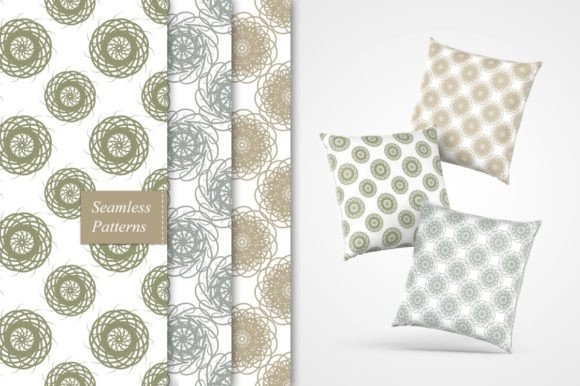
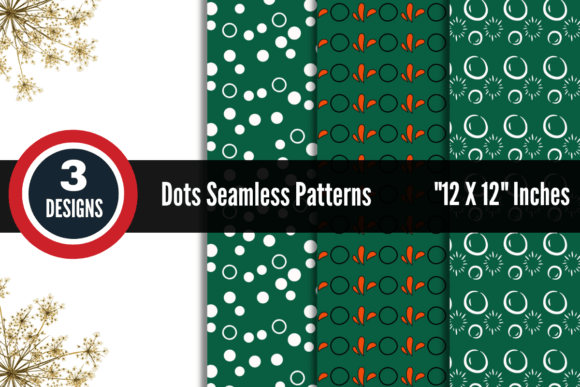
The patterns come in three distinct variants, each offering a different visual interpretation of the green and white theme. This variety ensures that users have multiple options to choose from, depending on the tone and purpose of their project. Each variant is provided as a high-resolution JPG file with dimensions of 12 inches by 12 inches and a resolution of 300 DPI, ensuring excellent print quality and scalability for both digital and physical use cases.
Integration into Design and Creative Workflows
One of the key strengths of green and white seamless patterns lies in their ability to integrate smoothly into existing workflows. Whether you're designing a website, creating branding materials, or developing marketing assets, these patterns serve as a foundational element that enhances the overall visual experience.
For instance, in web design, using a green and white seamless pattern as a background can help establish a cohesive look while maintaining a sense of depth and texture. Similarly, in print design, these patterns can be used as a base for packaging, posters, or book covers, providing a subtle yet impactful visual element.
When working with tools like Adobe Photoshop or Illustrator, importing a green and white seamless pattern as a background layer allows for easy customization. You can adjust the opacity, scale, or position to suit your design needs, ensuring that the pattern complements rather than overwhelms the content.
Use Cases Across Industries
- Marketing and Branding: Green and white seamless patterns can be used in logo designs, social media templates, and email newsletters to maintain brand consistency.
- Education and Publishing: These patterns are ideal for creating educational materials, flashcards, or study guides that require a clean, distraction-free layout.
- Event Planning and Invitations: For birthdays, weddings, or corporate events, green and white seamless patterns add a touch of elegance and sophistication to invitations and promotional materials.
- Crafts and DIY Projects: From scrapbooking to textile design, these patterns offer endless creative possibilities for hobbyists and professionals alike.
Practical Implementation Tips
Integrating green and white seamless patterns into your workflow requires careful planning and execution. Here are some practical tips to ensure optimal results:
1. Choose the Right Pattern Variant: Depending on the project's tone and purpose, select the variant that best aligns with your vision. Some may be more geometric, while others might feature organic shapes or abstract designs.
2. Test Different Layouts: Before finalizing your design, experiment with how the pattern interacts with other elements. Adjust the size, placement, and contrast to achieve the desired effect.
3. Maintain Consistency: Use the same pattern across all related materials to maintain brand identity and visual coherence. This is especially important in multi-platform campaigns or product lines.
4. Optimize for Different Media: Ensure that the pattern performs well in both digital and print formats. High-resolution files (300 DPI) are crucial for professional printing, while lower resolutions may suffice for web use.
Workflow Examples
Consider a scenario where you're designing a line of eco-friendly product packaging. You could start by selecting a green and white seamless pattern as the base for the packaging design. This pattern would serve as a subtle backdrop that reinforces the brand’s commitment to sustainability. As you develop the design further, you can layer additional elements such as logos, product images, and text, ensuring that the pattern remains the foundation of the visual hierarchy.
Another example involves creating a blog post template. By incorporating a green and white seamless pattern as the background, you can enhance the readability of your content while adding a fresh, modern aesthetic. This approach is particularly effective for lifestyle, wellness, or environmental blogs that emphasize natural and minimalist themes.
Factors to Consider for Long-Term Use
When incorporating green and white seamless patterns into your workflow, it's important to consider factors such as preparation, compatibility, usability, and organization. These elements play a crucial role in ensuring that the patterns remain a valuable asset over time.
Preparation: Before using the patterns, familiarize yourself with the file formats and specifications. Understanding the resolution, dimensions, and file types will help you avoid common issues such as scaling errors or poor image quality.
Compatibility: Ensure that the patterns work well with your preferred design software and platforms. Testing the patterns in different environments will help you identify any potential limitations or adjustments needed.
Usability: Keep the patterns organized and easily accessible. Creating a dedicated folder or library for your green and white seamless patterns will save time and streamline your workflow, especially when working on multiple projects simultaneously.
Organization: Label your files clearly and categorize them based on usage, style, or project type. This practice will make it easier to locate the right pattern when needed and improve overall efficiency.
Conclusion
Green and white seamless patterns are more than just decorative elements—they are powerful tools that can enhance the visual appeal and functionality of your creative and professional projects. By understanding their versatility, integrating them thoughtfully into your workflow, and considering factors such as preparation and organization, you can unlock their full potential and elevate your work to new heights.