Scandinavian Woodland Seamless Patterns: A Design Resource for Creative Workflows
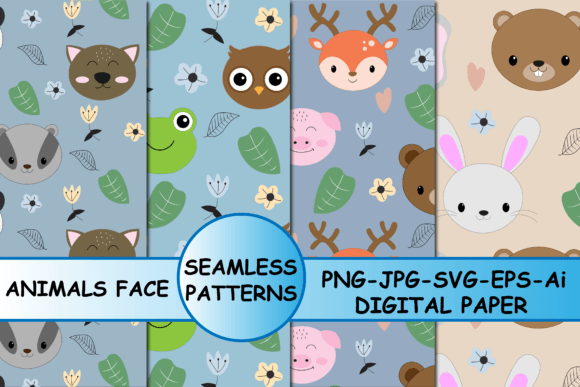
Scandinavian Woodland Seamless Patterns are a collection of digital assets designed to bring the serene, natural aesthetics of Nordic forests into visual projects. These patterns are not just decorative elements—they are functional tools that can enhance design processes across various creative and professional domains. Whether you're working on branding materials, website backgrounds, print layouts, or personal art projects, Scandinavian Woodland Seamless Patterns offer a versatile and timeless aesthetic that aligns with modern design principles.
The Role of Scandinavian Woodland Seamless Patterns in Design Workflows
Incorporating Scandinavian Woodland Seamless Patterns into your workflow can streamline the visual design process by providing ready-to-use textures that are both visually appealing and highly adaptable. These patterns are crafted with seamless edges, making them ideal for tiling and repetition without visible seams. This characteristic is particularly useful when creating large-scale designs or repeating elements such as backgrounds, borders, or overlays.
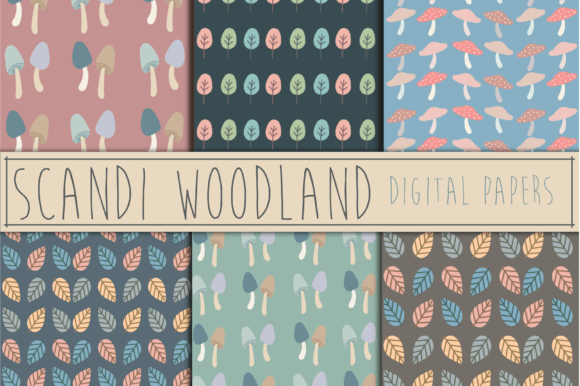
The Scandinavian design philosophy emphasizes simplicity, functionality, and a connection to nature. Scandinavian Woodland Seamless Patterns embody these values by offering clean lines, muted color palettes, and organic textures that evoke the quiet beauty of forest landscapes. This makes them especially suitable for projects that require a calming and cohesive visual identity.
When to Use Scandinavian Woodland Seamless Patterns
Scandinavian Woodland Seamless Patterns can be used at multiple stages of a project. They are particularly effective during the initial concept phase, where they help establish a visual tone and mood. For example, when designing a brand identity for a wellness company, using these patterns can immediately convey a sense of tranquility and natural balance.
During the execution phase, these patterns serve as a foundation for layering other design elements. They can act as a base for typography, illustrations, or photography, helping to unify the composition. In post-production, they can be used as overlays or texture maps to add depth and interest to otherwise flat visuals.
Integration with Other Tools and Resources
Scandinavian Woodland Seamless Patterns are compatible with a wide range of design software and platforms. The files included—Photoshop PAT, PNG, and other formats—ensure flexibility in how they can be applied. For instance, designers working in Adobe Photoshop can easily import these patterns as layers, while those using graphic design tools like Canva or Figma can integrate them directly into their projects.
These patterns also work well with vector-based design applications, allowing for scalable use in both digital and print media. Their adaptability makes them a valuable addition to any designer’s toolkit, especially for those who need to maintain consistency across multiple platforms and output formats.
Practical Implementation Tips
- Use as Backgrounds: Apply Scandinavian Woodland Seamless Patterns as background layers in web or print designs to create a subtle yet impactful visual effect.
- Layer Over Content: Place these patterns behind text or images to add texture without overwhelming the main content.
- Customize for Branding: Adjust colors or opacity to match your brand’s color scheme, ensuring the patterns complement rather than compete with your design.
- Combine with Other Elements: Pair these patterns with minimalistic typography or simple graphics to reinforce the Scandinavian design ethos.
- Test Across Devices: Ensure the patterns render consistently across different screen sizes and resolutions, especially if they will be used in digital environments.
Workflow Examples and Use Cases
Consider a scenario where a small business owner is launching an eco-friendly product line. To create marketing materials that reflect the brand’s values, they might use Scandinavian Woodland Seamless Patterns as the base for packaging designs, social media posts, and website backgrounds. These patterns help communicate the brand’s commitment to sustainability and natural aesthetics in a visually compelling way.
Another example could involve a blogger looking to refresh their blog layout. By incorporating these patterns into the header or sidebar, they can create a more engaging and cohesive user experience. The patterns provide a consistent visual language that supports the overall design without being distracting.
Factors to Consider for Long-Term Use
When integrating Scandinavian Woodland Seamless Patterns into your workflow, it’s important to consider factors such as preparation, compatibility, usability, and organization. Ensuring that these patterns are stored in an accessible location within your design files can save time and effort in future projects.
Additionally, maintaining a clear naming convention for the pattern files can help you quickly identify and retrieve them when needed. It’s also beneficial to test these patterns in different contexts to understand how they interact with other design elements and how they affect the overall visual hierarchy.
Consistency is key when using these patterns across multiple projects. Establishing a style guide or template that includes approved pattern usage can help maintain a cohesive brand identity and ensure that the patterns are used effectively and appropriately.
Conclusion
Scandinavian Woodland Seamless Patterns are more than just decorative elements—they are powerful design tools that can enhance creativity, streamline workflows, and support a wide range of visual projects. By understanding how to integrate these patterns into your design process, you can unlock new possibilities for expression and efficiency. Whether you’re a professional designer, a small business owner, or a hobbyist, these patterns offer a versatile and elegant solution for bringing the natural beauty of Scandinavian woodland into your work.