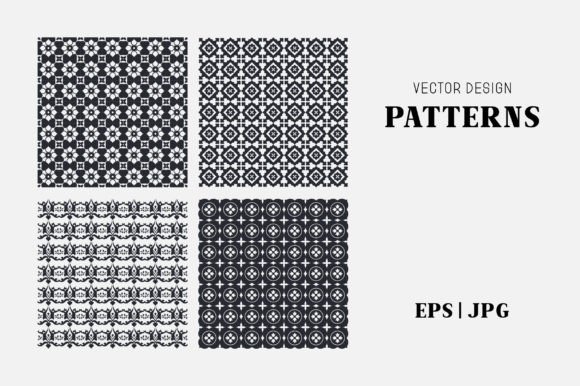
Black and White Vector Patterns
Black and white vector patterns are a timeless design choice that blends simplicity with sophistication. These patterns use only black and white to create intricate visuals, often through repeating shapes, lines, and textures. The absence of color allows the focus to shift to form, contrast, and composition, making these designs both versatile and expressive.
Why Black and White Vector Patterns Matter
For many, black and white vector patterns offer a clean aesthetic that can elevate any project. Designers, creators, and entrepreneurs may find them particularly useful for branding, packaging, or digital assets. Their adaptability means they can fit into modern minimalism as easily as classic elegance.
Consumers might appreciate the visual clarity and elegance these patterns bring to everyday items like stationery or home decor. Hobbyists could enjoy the creative freedom in experimenting with different shapes and layouts. Each audience brings its own perspective to how they engage with and apply black and white vector patterns.
Beginners: A Starting Point for Creativity
For those new to design, black and white vector patterns provide an excellent foundation. They eliminate the complexity of color theory, allowing beginners to focus on mastering shape, line, and rhythm. Tools like Adobe Illustrator or free alternatives like Inkscape make it easy to create and edit these patterns.
Beginners might start by downloading pre-made templates or using online generators to explore different styles. This approach helps build confidence and understanding before moving on to more complex designs. The simplicity of black and white also encourages experimentation without the pressure of color coordination.
Professionals: Precision and Versatility
Design professionals often rely on black and white vector patterns for their precision and scalability. These patterns are ideal for creating logos, icons, and illustrations that need to maintain quality across various mediums—from print to digital.
For marketing teams, black and white vector patterns can be used in campaigns to convey a sense of professionalism and timelessness. Branding experts might use them to create consistent visual identities that stand out in a crowded market. The versatility of these patterns ensures they can be adapted to meet specific project needs without sacrificing quality.
Creators and Entrepreneurs: A Tool for Expression and Monetization
Independent creators and small business owners may use black and white vector patterns to differentiate their products in the marketplace. These patterns can add a unique touch to merchandise, from T-shirts to greeting cards, helping brands stand out visually.
Entrepreneurs might also sell these patterns as downloadable assets, offering a low-cost, high-value product to their audience. The ability to scale and reuse these designs makes them a valuable resource for building a sustainable creative business.
Educators and Hobbyists: Learning and Enjoyment
For educators, black and white vector patterns serve as an engaging teaching tool. They can be used in design classes to demonstrate principles of composition, symmetry, and negative space. Students can experiment with different layouts and learn about the impact of contrast and texture.
Hobbyists might enjoy creating custom patterns as a fun and rewarding activity. Whether it's for personal projects or sharing on social media, the process of designing and refining black and white vector patterns offers a sense of accomplishment and creativity.
Consumers: Aesthetic Appeal and Practical Use
Consumers often choose products featuring black and white vector patterns for their elegant and timeless appeal. These patterns can enhance the visual appeal of items like notebooks, wall art, and fabric prints without overwhelming the senses.
The practicality of these designs is another key factor. Since they are typically high-resolution and scalable, they work well across different formats and sizes. Consumers can confidently use these patterns in both personal and professional settings, knowing they will look great anywhere.
Choosing the Right Format
When working with black and white vector patterns, the file format plays a crucial role in usability and quality. EPS files are ideal for editing and scaling, while JPEGs are perfect for print and digital use. High-resolution 300 dpi files ensure clarity and sharpness, regardless of the medium.
For those who prefer a quick start, pre-designed templates in JPEG format offer convenience. However, if you're looking to customize or integrate the patterns into larger projects, editable EPS files provide greater flexibility. Understanding the differences between these formats helps users make informed decisions based on their specific needs.
Prioritizing Needs and Goals
Each user group has different priorities when working with black and white vector patterns. Beginners may value ease of use and affordability, while professionals might prioritize quality and scalability. Creators and entrepreneurs could focus on commercial potential and brand consistency, whereas hobbyists and educators might emphasize learning and creativity.
It’s important to consider how these priorities align with your goals. Whether you’re looking to create, sell, teach, or simply enjoy the process, black and white vector patterns offer a wide range of possibilities tailored to your needs.
Ultimately, black and white vector patterns are more than just a design trend—they are a powerful tool for expression, communication, and creativity. By understanding how different audiences interact with them, you can better determine whether this style suits your project, skill level, and vision.